Where does the price come from?
Understanding What You’re Paying For in Creative Services
Insights
Sep 11, 2026

When you receive a quote for a video, photoshoot, design or animation project, you might naturally wonder: where does that price actually come from?
The final price is rarely based simply on how many hours someone spends filming or sitting behind a computer. There are several factors that determine the value of creative work — from the scope of the project to the professional's experience.
The work you don't see
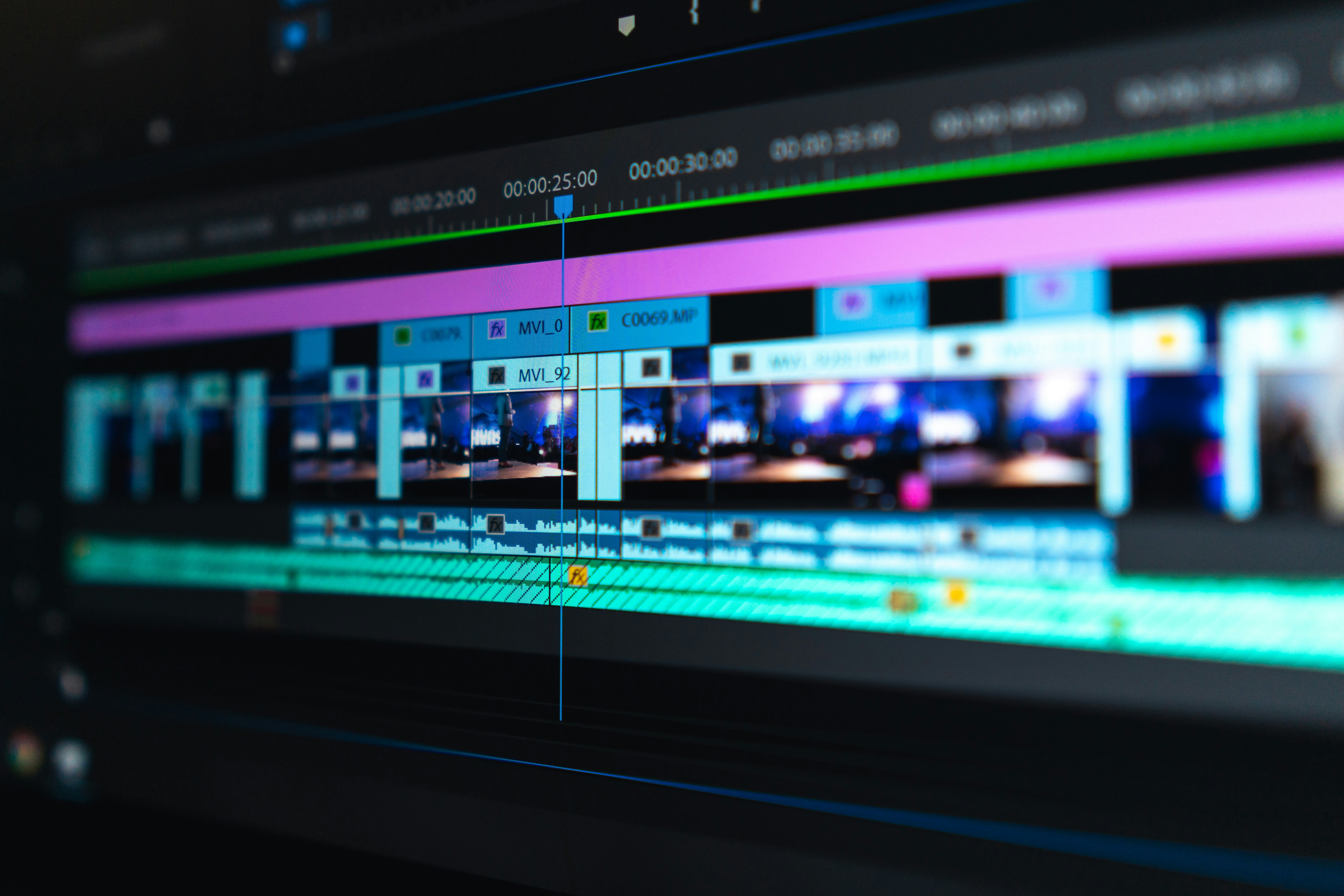
A finished video might be one minute long, but creating that one minute can involve hours — or even days — of work.
Before production begins, there can be concept development, communication, research, scripting, storyboarding, location scouting, scheduling and preparation. During production, there is filming, lighting, sound, directing and managing the shoot. Afterwards comes editing, colour grading, sound design, animation, visual effects, photo retouching, graphic design and revisions.
The final file is only the visible part of the process.

Experience matters
You are also paying for the professional's experience and expertise.
Someone who has been working in the field for years has developed more than technical skills. They have learned how to solve problems quickly, work with different clients and situations, understand what works visually, and make creative decisions that improve the final result.
An experienced professional may also be able to achieve something in two hours that would take someone less experienced twice as long. You are not necessarily paying for more hours — you are paying for the knowledge that makes those hours more valuable.
Experience, portfolio, specialisation and reputation can therefore all affect the price.
Equipment and resources
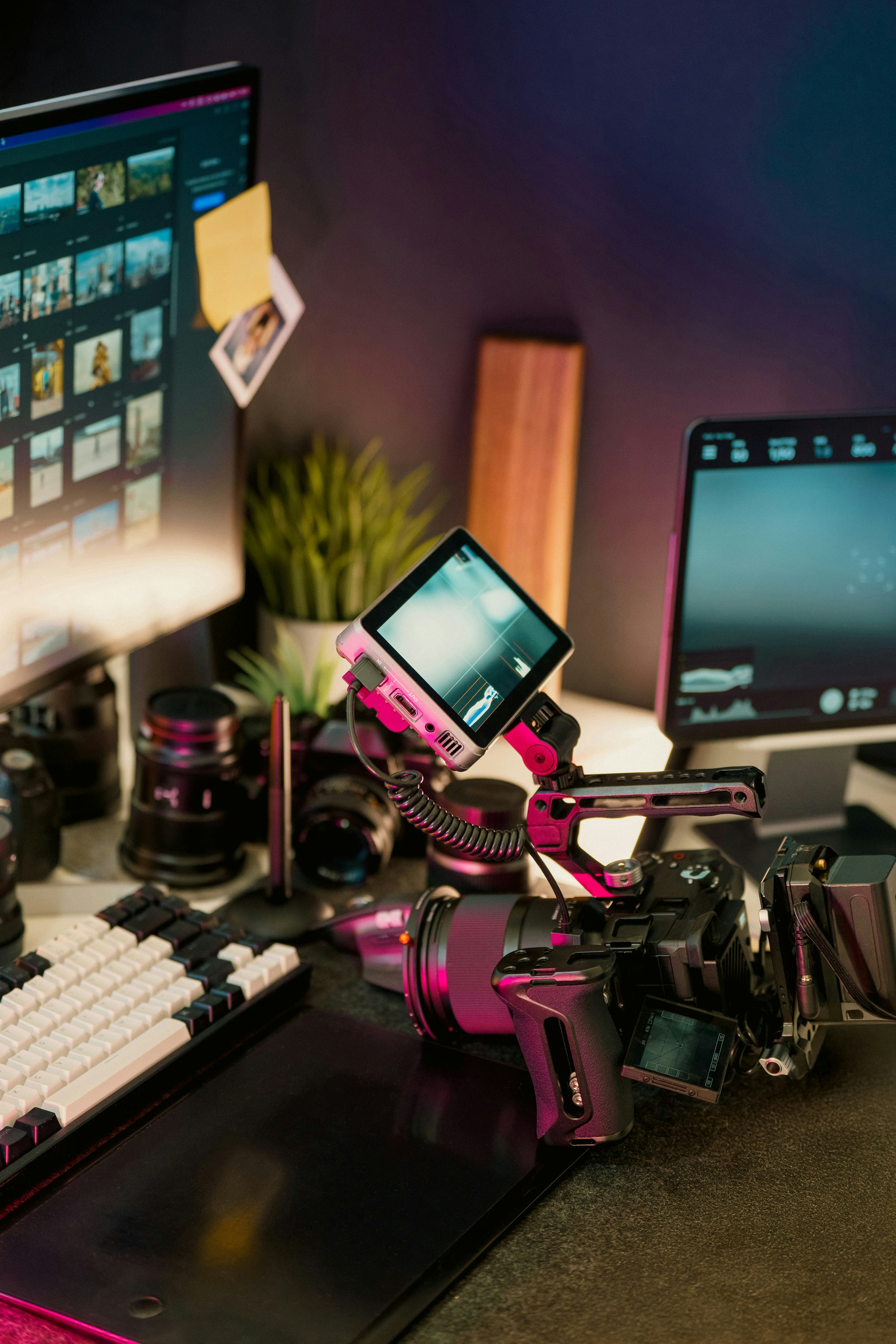
Professional work also requires professional tools. Cameras, lenses, lighting, audio equipment, stabilisers, drones, computers and software all come with significant costs.
There can also be additional expenses depending on the project: studio or location rental, music licences, props, travel, models, actors, assistants or other specialists.
These costs are not always visible in the final video, but they are part of producing it.

The market also plays a role
Creative services don't have one universal price. Rates are influenced by the market, location, type of client, level of service and demand for a particular skill.
For example, a freelance videographer, a small production company and a large commercial production team can all offer video production while operating at very different price levels.
This is why comparing two quotes based purely on the number at the bottom doesn't always tell you whether one is "expensive" or the other is "cheap". You also need to compare what is included and who is providing the service.
So what are you actually paying for?
Ultimately, the price of a creative project reflects a combination of:
Time — planning, production and post-production
Experience — knowledge built through years of practice
Creative expertise — ideas, visual decisions and problem-solving
Technical skills — filming, editing, design, animation and more
Equipment — cameras, lenses, lighting, audio and software
Production costs — locations, travel, licences, additional crew and other resources
Project complexity — a simple social media video is very different from a full campaign
The market — rates vary according to the professional, industry, location and level of service
A creative quote is therefore not simply a price for a finished file. It represents the people, knowledge, time, tools and creative process required to create it.
And ultimately, the right question isn't always "How much does this cost?" — but "What am I getting for this investment?"
More to Discover


Where does the price come from?
Understanding What You’re Paying For in Creative Services
Insights
Sep 11, 2026
When you receive a quote for a video, photoshoot, design or animation project, you might naturally wonder: where does that price actually come from?
The final price is rarely based simply on how many hours someone spends filming or sitting behind a computer. There are several factors that determine the value of creative work — from the scope of the project to the professional's experience.
The work you don't see
A finished video might be one minute long, but creating that one minute can involve hours — or even days — of work.
Before production begins, there can be concept development, communication, research, scripting, storyboarding, location scouting, scheduling and preparation. During production, there is filming, lighting, sound, directing and managing the shoot. Afterwards comes editing, colour grading, sound design, animation, visual effects, photo retouching, graphic design and revisions.
The final file is only the visible part of the process.
Experience matters
You are also paying for the professional's experience and expertise.
Someone who has been working in the field for years has developed more than technical skills. They have learned how to solve problems quickly, work with different clients and situations, understand what works visually, and make creative decisions that improve the final result.
An experienced professional may also be able to achieve something in two hours that would take someone less experienced twice as long. You are not necessarily paying for more hours — you are paying for the knowledge that makes those hours more valuable.
Experience, portfolio, specialisation and reputation can therefore all affect the price.
Equipment and resources
Professional work also requires professional tools. Cameras, lenses, lighting, audio equipment, stabilisers, drones, computers and software all come with significant costs.
There can also be additional expenses depending on the project: studio or location rental, music licences, props, travel, models, actors, assistants or other specialists.
These costs are not always visible in the final video, but they are part of producing it.
The market also plays a role
Creative services don't have one universal price. Rates are influenced by the market, location, type of client, level of service and demand for a particular skill.
For example, a freelance videographer, a small production company and a large commercial production team can all offer video production while operating at very different price levels.
This is why comparing two quotes based purely on the number at the bottom doesn't always tell you whether one is "expensive" or the other is "cheap". You also need to compare what is included and who is providing the service.
So what are you actually paying for?
Ultimately, the price of a creative project reflects a combination of:
Time — planning, production and post-production
Experience — knowledge built through years of practice
Creative expertise — ideas, visual decisions and problem-solving
Technical skills — filming, editing, design, animation and more
Equipment — cameras, lenses, lighting, audio and software
Production costs — locations, travel, licences, additional crew and other resources
Project complexity — a simple social media video is very different from a full campaign
The market — rates vary according to the professional, industry, location and level of service
A creative quote is therefore not simply a price for a finished file. It represents the people, knowledge, time, tools and creative process required to create it.
And ultimately, the right question isn't always "How much does this cost?" — but "What am I getting for this investment?"
More to Discover
Where does the price come from?
Understanding What You’re Paying For in Creative Services
Insights
Sep 11, 2026
When you receive a quote for a video, photoshoot, design or animation project, you might naturally wonder: where does that price actually come from?
The final price is rarely based simply on how many hours someone spends filming or sitting behind a computer. There are several factors that determine the value of creative work — from the scope of the project to the professional's experience.
The work you don't see
A finished video might be one minute long, but creating that one minute can involve hours — or even days — of work.
Before production begins, there can be concept development, communication, research, scripting, storyboarding, location scouting, scheduling and preparation. During production, there is filming, lighting, sound, directing and managing the shoot. Afterwards comes editing, colour grading, sound design, animation, visual effects, photo retouching, graphic design and revisions.
The final file is only the visible part of the process.
Experience matters
You are also paying for the professional's experience and expertise.
Someone who has been working in the field for years has developed more than technical skills. They have learned how to solve problems quickly, work with different clients and situations, understand what works visually, and make creative decisions that improve the final result.
An experienced professional may also be able to achieve something in two hours that would take someone less experienced twice as long. You are not necessarily paying for more hours — you are paying for the knowledge that makes those hours more valuable.
Experience, portfolio, specialisation and reputation can therefore all affect the price.
Equipment and resources
Professional work also requires professional tools. Cameras, lenses, lighting, audio equipment, stabilisers, drones, computers and software all come with significant costs.
There can also be additional expenses depending on the project: studio or location rental, music licences, props, travel, models, actors, assistants or other specialists.
These costs are not always visible in the final video, but they are part of producing it.
The market also plays a role
Creative services don't have one universal price. Rates are influenced by the market, location, type of client, level of service and demand for a particular skill.
For example, a freelance videographer, a small production company and a large commercial production team can all offer video production while operating at very different price levels.
This is why comparing two quotes based purely on the number at the bottom doesn't always tell you whether one is "expensive" or the other is "cheap". You also need to compare what is included and who is providing the service.
So what are you actually paying for?
Ultimately, the price of a creative project reflects a combination of:
Time — planning, production and post-production
Experience — knowledge built through years of practice
Creative expertise — ideas, visual decisions and problem-solving
Technical skills — filming, editing, design, animation and more
Equipment — cameras, lenses, lighting, audio and software
Production costs — locations, travel, licences, additional crew and other resources
Project complexity — a simple social media video is very different from a full campaign
The market — rates vary according to the professional, industry, location and level of service
A creative quote is therefore not simply a price for a finished file. It represents the people, knowledge, time, tools and creative process required to create it.
And ultimately, the right question isn't always "How much does this cost?" — but "What am I getting for this investment?"